


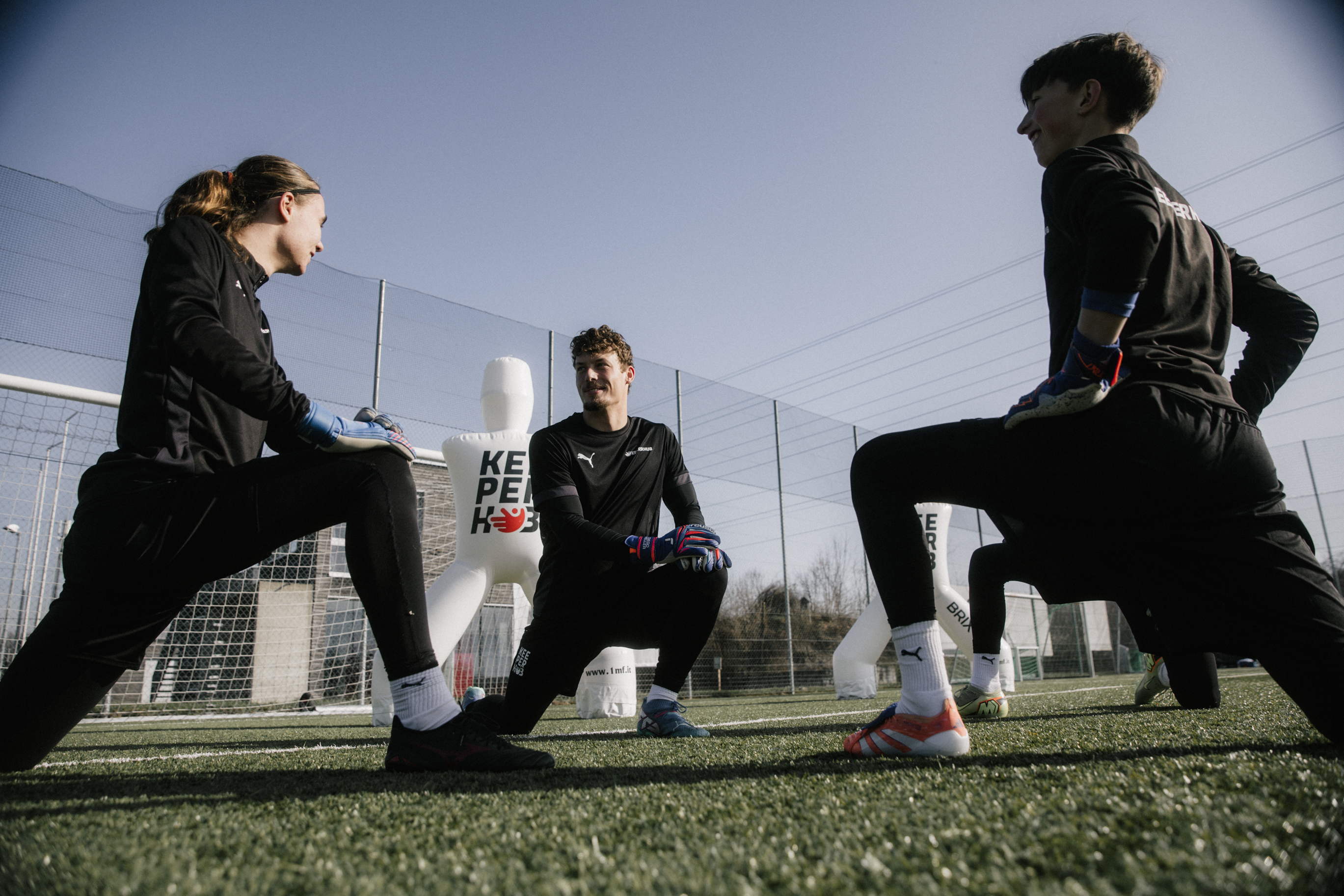
When we step onto the pitch, performance development is at the centre of our work. We focus on technical, tactical, coordinative, cognitive and athletic elements to help goalkeepers improve in a targeted and sustainable way. However, the end of a training session deserves just as much attention. A clear transition from training load to recovery helps goalkeepers finish the session physically and mentally.
NORMALIZE is the final phase of the CLEAN Method. It provides a structured conclusion to every session and supports the transition from performance mode into recovery mode. In doing so, it contributes to a sustainable approach to goalkeeper development.
Why NORMALIZE?
NORMALIZE is not an optional add-on. It is an integral part of every CLEAN training session. Its purpose is to create a deliberate transition from physical and mental effort towards recovery.
The cool-down is not primarily about removing "lactic acid". Instead, it serves several practical functions:
- Heart rate and breathing gradually return towards resting levels.
- Light movement helps maintain circulation during the transition to rest.
- Low-intensity activities support a gradual reduction in physical effort.
- A structured conclusion helps goalkeepers mentally switch off from training.
While a cool-down does not necessarily accelerate physiological recovery, it can support subjective well-being and provide a consistent end to the training process.
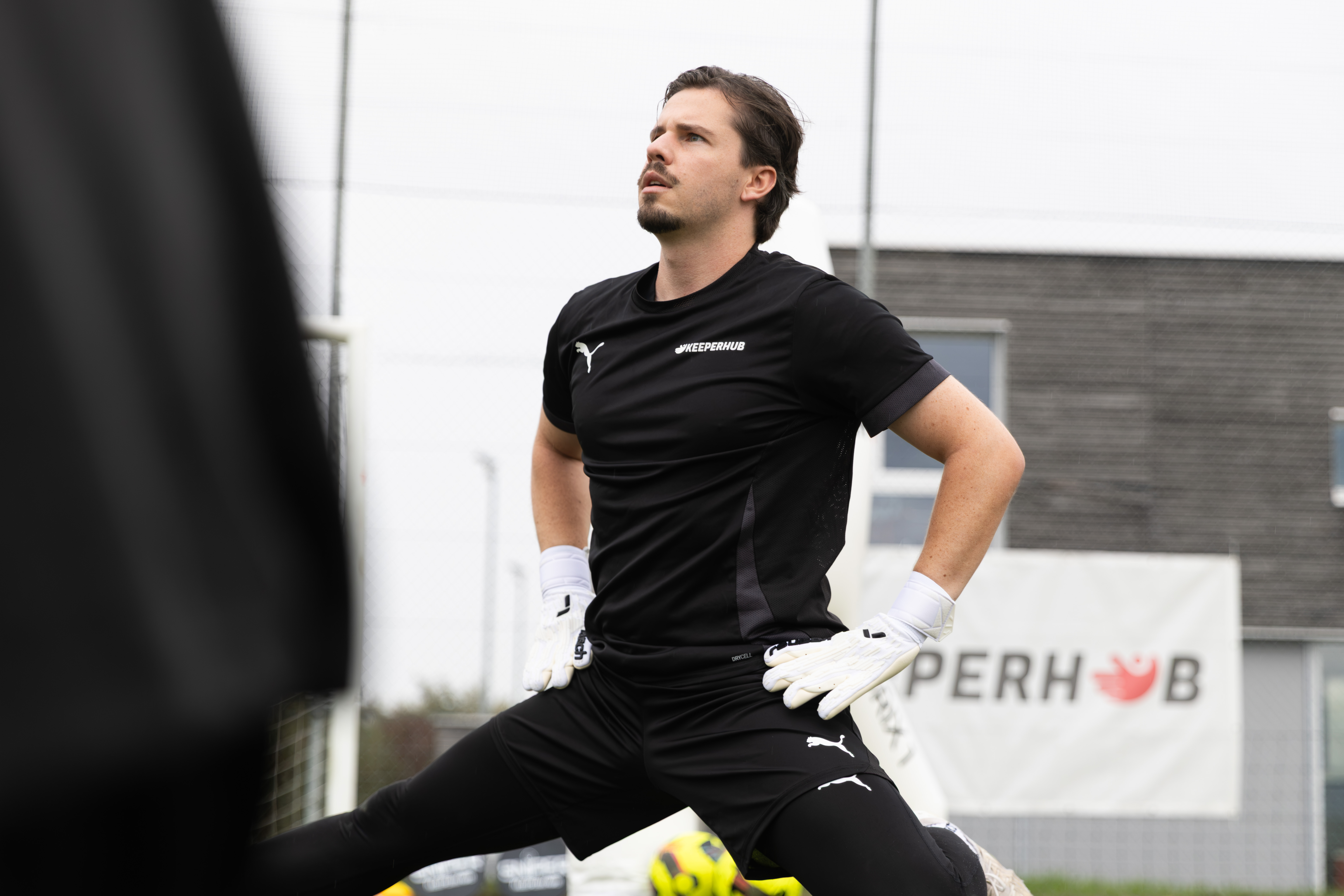
Recovery: Combining Different Approaches
Recovery includes both active and passive strategies. These approaches serve different purposes and should be selected according to the training load, timing and individual needs of the goalkeeper. The goal is not to use as many recovery methods as possible, but to choose appropriate strategies that support the overall training process.
Active Recovery: Practical Examples
1. Light Jogging or Cycling
5 to 10 minutes at very low intensity, such as easy jogging, relaxed running or cycling. The focus is on comfortable movement and controlled breathing.
Goal: Gradually reduce cardiovascular effort and support the transition towards rest.
2. Mobility and Stretching
Targeted mobility exercises for heavily loaded areas such as the hips, ankles and spine. Comfortable static stretches of 15 to 30 seconds can be included where appropriate.
Goal: Maintain mobility, encourage relaxed movement and support physical well-being.
3. Foam Rolling
30 to 60 seconds per muscle group using controlled, moderate pressure. The aim is not to create pain, but to work within a comfortable range. Foam rolling can be applied to areas such as the calves, thighs and glutes.
Goal: Improve body awareness and potentially reduce perceived muscle tightness or soreness.
4. Light Ball Work and Simple Coordination Tasks
Relaxed passing sequences, juggling or simple coordination exercises can provide a positive and enjoyable conclusion to the session. The intensity remains low, without additional physical or cognitive pressure.
Goal: Gradually reduce training intensity and create a smooth transition into the end of the session.
Passive Recovery Strategies
Recovery continues beyond the pitch. While NORMALIZE provides an intentional conclusion to training, recovery habits outside the session play an important role in long-term development.
Important strategies include:
- Sleep: One of the most important factors for physical and mental recovery.
- Hydration and nutrition: Adequate fluid intake and a balanced diet support normal recovery processes.
- Cold and heat applications: May be useful in specific situations, depending on the training objective, timing and individual response.
- Massage and manual therapy: Can help reduce perceived muscle soreness and promote relaxation.
- Compression: May provide benefits in certain recovery situations, although its effectiveness varies.
These methods should complement, rather than replace, adequate sleep, nutrition and appropriate training load management.
Mental Recovery: An Essential Part of NORMALIZE
Goalkeeper training requires constant attention, decision-making and emotional control. Mental fatigue can influence concentration, decision-making and performance. NORMALIZE therefore also creates an opportunity to finish the session mentally and emotionally.
Practical strategies include:
- Breathing exercises: Slow, controlled breathing, for example inhaling for 4 seconds and exhaling for 6 seconds.
- Short reflection questions: What went well today? What is one positive takeaway from this session?
- Consistent routines: A short stretching routine, calm music or a team circle.
- A clear conclusion: Closing words from the coach, a handshake or a brief moment of individual feedback.
Goal: Encourage mental relaxation, support reflection and help goalkeepers leave the session with a positive and clear focus.
Conclusion
NORMALIZE completes the CLEAN Method by connecting the training load with the beginning of recovery. It does not need to be complicated or time-consuming. A few minutes of appropriate low-intensity movement, combined with a deliberate mental conclusion, can provide a meaningful end to the session. The key is consistency. Coaches should plan the conclusion of training with the same intention they apply to the other phases of the CLEAN Method.