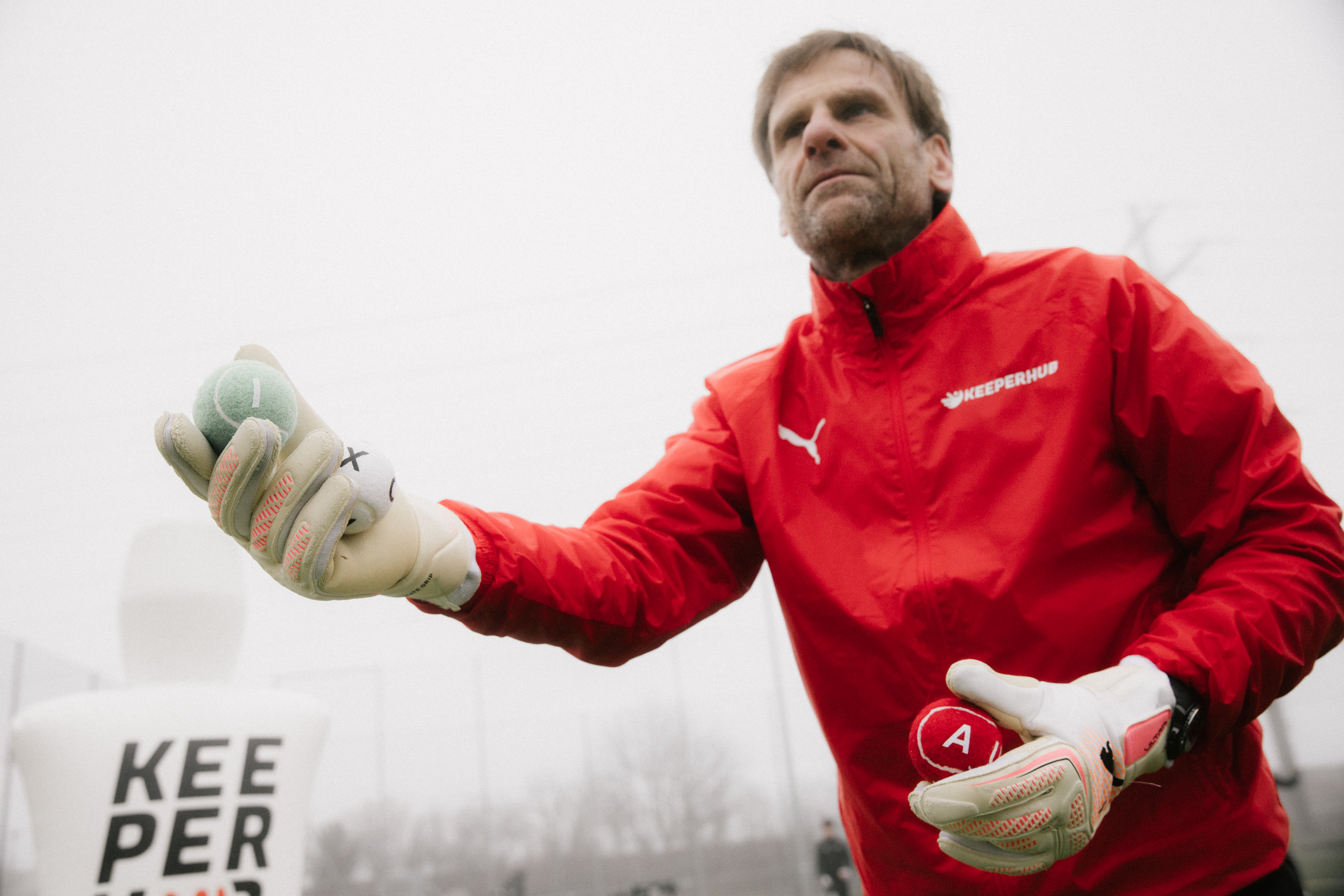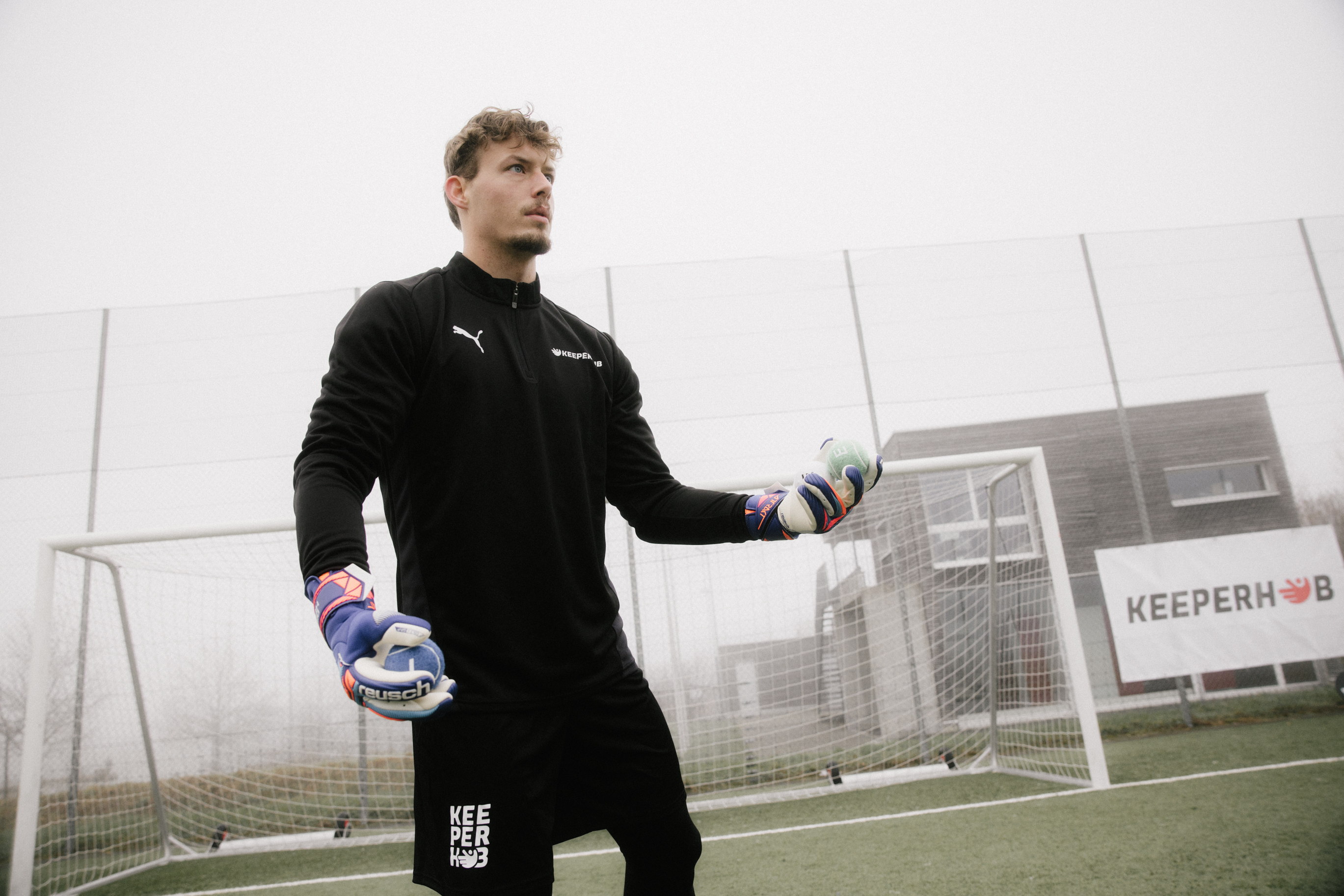
Modern goalkeeper training is about much more than technique. Goalkeepers must process information, recognize situations, make decisions, and coordinate their movements under pressure. That is why coordination plays a central role in our training philosophy. With Skillatics, we have a partner that does not view movement in isolation, but as a foundation for learning, development, and performance. Coordinative abilities are not developed through repetitive drills. They grow through variable movements, changes of rhythm, orientation, and the constant adaptation to new situations. This is exactly where Skillatics comes in.
Its tools and training concepts support the game-related development of movement quality, body control, and perception. Whether used during activation, within coordination-focused training, or integrated into complex goalkeeper exercises, Skillatics complements modern training in a natural way. This approach perfectly matches our understanding of goalkeeper training. Good decisions often start with good orientation and efficient movement. The real value emerges when coordination is not seen as additional training, but as an integral part of the game itself. That is why Skillatics fits our philosophy: Train the Game
Patrick Foletti describes the collaboration as follows:
“For me, coordination is far more than ladder drills or isolated movement patterns. Modern goalkeeper training is about connecting movement, perception, and decision-making. In this area, Skillatics offers many exciting possibilities. The exercises are dynamic, variable, and can be integrated very effectively into game-related training situations. What I find particularly interesting is that coordinative content is not trained separately from the game, but instead supports the goalkeeper's overall movement competence. For me, Skillatics is therefore a valuable addition to modern goalkeeper training.”
Patrick Foletti
Co-Founder, Keeperhub
More information can be found at Skillatics.